Kingston Council rules for bulky rubbish disposal explained
Posted on 07/07/2026
If you have an old sofa by the wall, a broken wardrobe in the hallway, or a mattress that has become a daily nuisance, bulky waste can suddenly take over a home. And if you live in Kingston, the rules around getting rid of it can feel a bit opaque at first. That is exactly why this guide to Kingston Council rules for bulky rubbish disposal explained matters: it turns the usual confusion into a clear, practical plan.
In plain English, bulky rubbish disposal is about removing large household items safely, legally, and in a way that suits your time, budget, and property access. Some people can manage it themselves. Others need help because the item is too heavy, too awkward, or just too much hassle to move through a narrow staircase or a tight front path. Either way, there is a sensible route through it. Let's get into the details.

Why Kingston Council rules for bulky rubbish disposal explained Matters
Bulky rubbish is not the same as an ordinary bin bag. A kettle box, old lamp, and flattened packaging are one thing. A three-seat sofa, washing machine, chest of drawers, or broken freezer is another. Councils treat these items differently because they can block walkways, damage collection vehicles, and create safety issues if they are left out incorrectly. That is the basic reason the rules exist.
For residents, the rules matter for three big reasons. First, they help you avoid missed collections or unexpected refusals. Second, they reduce the risk of fly-tipping and unsafe disposal. Third, they make it easier to choose the most practical route, whether that is arranging a council collection, using a licensed private clearance service, or taking a DIY trip to a recycling facility. Nobody wants to load up a car twice because the first plan was slightly off. Been there? Most people have.
There is also a financial angle. If you put out the wrong items, fail to separate restricted waste, or book the wrong service for the job, you can end up paying more later. In a busy place like Kingston, where access can be awkward and parking can be limited, a little planning goes a long way.
Quick takeaway: bulky waste rules are less about red tape and more about safety, access, and making sure your items go to the right disposal route the first time.
How Kingston Council rules for bulky rubbish disposal explained Works
The exact process can change over time, so it is always wise to check the latest local arrangements before you book. Still, the way bulky waste disposal usually works in Kingston follows a familiar pattern that most residents will recognise.
1. Identify whether your item counts as bulky waste
Bulky waste usually means large household items that are too big for normal household bins or standard recycling containers. Think furniture, mattresses, carpets, white goods, and similar items. A few smaller items may still be accepted if they have been grouped together into a bulky collection, but that depends on the service rules at the time.
2. Check what is accepted and what is restricted
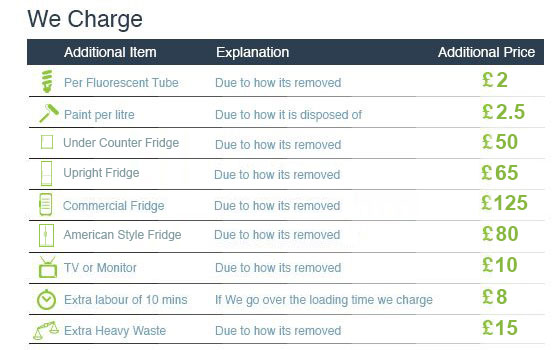
Not everything can be taken in the same way. Some items need special handling because they may contain hazardous components, liquids, gases, or electrical parts. Fridges and freezers, for example, often need specific treatment because of refrigerants. Paint tins, gas bottles, and electrical equipment can also need separate disposal pathways. This is where people often get caught out.
3. Arrange the collection or choose another route
Residents generally have a few options: a council bulky waste collection where available, a private rubbish removal service, a skip for larger projects, or self-delivery to a waste facility. The best choice depends on volume, weight, access, timing, and how much lifting you are willing to do yourself.
4. Present the items correctly
Items often need to be left in a safe, accessible place by a specific time. That may mean the front boundary, a driveway, or another agreed point. If your street is narrow, parking is tight, or the item needs to be carried through a shared hallway, plan for that in advance. Kingston's older streets and terraced homes can make this more fiddly than it sounds.
5. Make sure prohibited waste is removed separately
Do not mix bulky household items with garden waste, builders' waste, or hazardous materials unless the service explicitly allows it. A mixed pile is one of the quickest ways to cause delays. If the job also includes a garage, loft, or garden clear-out, it may be better to split the work into categories or book a broader clearance solution.
If you are unsure what category your items fall into, that uncertainty is normal. A lot of people discover halfway through a clear-out that the "old cupboard" includes screws, broken mirrors, and electrical fittings. Fun times. Not really.
Key Benefits and Practical Advantages
Following the correct process is not just about staying on the right side of local rules. It also makes the whole job less stressful.
- Cleaner disposal: your items are more likely to be handled correctly and diverted to reuse or recycling where possible.
- Less lifting and strain: you avoid moving heavy furniture without enough help or the right equipment.
- Fewer access problems: a properly planned collection reduces awkward last-minute manoeuvres in tight spaces.
- Better time control: you can fit disposal around work, family life, or a move without losing a whole weekend.
- Lower risk of complaints: neighbour disputes often happen when items are left out too early, too long, or in the wrong place.
There is another benefit people overlook: peace of mind. Once a bulky item has gone properly, the room feels different. Brighter, more usable, less cluttered. You notice the extra space immediately, even if it is only the corner where the old wardrobe used to stand.
For landlords, estate agents, and property owners, this matters too. A clear property photographs better, presents better, and is easier to maintain. That can be useful whether you are preparing for a changeover or dealing with a tired-looking rental after a long tenancy. If you are also thinking about the wider property context in the area, this guide to Kingston property offers a helpful backdrop.
Who This Is For and When It Makes Sense
Bulky rubbish disposal is not only for big house moves. In practice, it helps a wide mix of people.
Homeowners clearing out old furniture
That sofa in the spare room has been "temporarily" parked there for months. Maybe years. If you are replacing furniture or making space for a new layout, bulky disposal is the cleanest way to deal with the old pieces.
Tenants at the end of a tenancy
End-of-tenancy clear-outs often reveal hidden clutter: a mattress left in the loft, a broken desk in the bedroom, or a dining table too large to carry downstairs easily. The sooner you sort it, the easier your handover tends to be.
Landlords and letting agents
After a tenant moves out, bulky waste can be the last thing standing between you and a re-let. Fast removal helps with cleaning, repairs, and viewings. It is one reason many property professionals keep a clearance plan ready, especially in busy Kingston neighbourhoods.
Families in the middle of life changes
New baby, home office, downsizing, caring for relatives, inherited furniture - these are the real-world moments where bulky waste suddenly becomes everyone's problem. And it is never the right time, is it?
People renovating or refreshing a room
A room makeover often starts with stripping out the old bits: wardrobes, carpets, shelves, and damaged storage units. If the project also includes builders' waste, then a specialist collection may make more sense than trying to piece together multiple disposal trips. In those cases, builders waste clearance in Kingston upon Thames can be a useful option to consider.
Anyone without a suitable vehicle
Not every household has a van, and not every van has a willing back seat. If your item will not fit safely into a car, or if it needs two people and a trolley just to get it outside, the job may be worth outsourcing.
Step-by-Step Guidance
Here is a practical way to handle bulky disposal without making it harder than it needs to be.
- List the items. Walk through the property and write down exactly what needs to go. Include the awkward extras like side tables, broken chairs, or the old mattress behind the wardrobe.
- Separate by material or type. Group furniture, electrical items, garden waste, and general junk. That makes it easier to choose the right disposal route.
- Check access. Measure doorways if necessary. Look at stairs, lifts, parking, and whether the item needs to pass through shared spaces.
- Decide on the disposal method. Compare council collection, private collection, skip hire, or self-delivery. Pick the one that best suits the size and urgency of the job.
- Prepare the items. Remove loose contents, empty drawers, and disconnect appliances safely where appropriate. If you are unsure about a gas, water, or electrical connection, get advice before touching it.
- Set the collection point. Put items where the crew or council instructions require. Keep walkways clear and do not block access for neighbours.
- Confirm timing and restrictions. Double-check what time items should be outside, what is accepted, and whether someone needs to be at home.
- After collection, check the area. Make sure nothing was left behind, including fixings, cushions, or small offcuts. Small things have a sneaky habit of hiding under bigger ones.
One useful habit: take a quick photo of the items before collection. It helps you remember what was included, and it can save time if you need to discuss the load with a provider later.
Expert Tips for Better Results
There are a few things experienced clearance teams notice again and again. Nothing dramatic, just the little details that make a collection smoother.
Tip 1: Book before the clutter becomes a pile. Once items spread from one room into three, the job feels bigger and more stressful. Start early if you can.
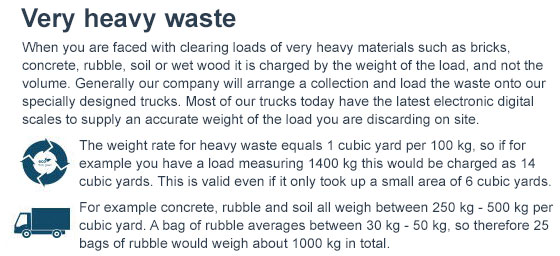
Tip 2: Don't underestimate weight. A wardrobe that looks manageable can be awkward once it is tilted on a staircase. Bulky does not always mean huge; sometimes it just means badly balanced.
Tip 3: Keep pathways open. You would be surprised how often a collection slows down because a hallway has shoes, a buggy, two sacks of old bedding, and a dog who thinks he owns the place.
Tip 4: Ask about reuse and recycling. If an item is still usable, some providers can divert it from landfill where possible. That is not always possible, but it is worth asking.
Tip 5: Be realistic about timing. If you are moving on the same day, give yourself more breathing room than you think you need. The last thing you want is a lift breakdown, a delayed van, and a sofa that refuses to fit through the door. Truth be told, that sort of thing happens more often than people expect.
If you want a broader sense of the service landscape, the services overview can help you see how different clearance options fit together.
Common Mistakes to Avoid
Most problems are avoidable. A few are nearly always the result of rushed decisions.
- Leaving items out too early: this can cause obstruction, complaints, or weather damage.
- Mixing prohibited waste with ordinary bulky waste: many collections cannot take everything in one go.
- Not checking access first: narrow driveways and parking restrictions can stop a collection dead in its tracks.
- Forgetting disassembly: some furniture needs partial dismantling before it can be moved safely.
- Assuming all electricals are treated the same: larger appliances can have separate handling requirements.
- Choosing the wrong disposal route: the cheapest option is not always the simplest, and the simplest is not always the cheapest.
A good rule of thumb: if the item is awkward, heavy, or potentially restricted, assume it needs more planning than you first thought. That one assumption saves a lot of stress.
Tools, Resources and Recommendations
You do not need a van-load of tools to get through a bulky waste job, but a few basics help.
- Measuring tape: useful for doorways, hallways, and awkward corners.
- Gloves: for grip and protection from sharp edges or dusty surfaces.
- Blankets or sheets: helpful for protecting flooring and reducing scuffs.
- Basic screwdriver or wrench set: handy if items need to be partly dismantled.
- Trolley or sack truck: useful for heavier loads, though only if the route is suitable.
- Phone camera: for photos of the load before collection and any access issues.
For people trying to keep things tidy and environmentally sensible, the recycling and sustainability information is worth a look. It helps frame disposal as more than just getting rid of stuff; there is often an opportunity to reuse, recycle, or at least separate items more intelligently.
And if you are comparing waste removal options more broadly, it can be helpful to look at waste removal in Kingston upon Thames and rubbish collection in Kingston upon Thames as part of the same decision. Different jobs suit different services.
Law, Compliance, Standards, or Best Practice
Bulky rubbish disposal sits inside a wider framework of household waste duty, safe handling, and responsible disposal. Without getting lost in legal language, the key point is simple: do not leave waste on the street in a way that creates a hazard, and do not hand your waste to someone who cannot dispose of it properly.
In the UK, residents are generally expected to present waste correctly and avoid fly-tipping. That matters because once waste leaves your home, it still needs to be traceable in a practical sense. If you use a private clearance service, it is sensible to choose one that operates responsibly, handles waste lawfully, and gives clear paperwork or job confirmation where appropriate. You do not need to become a compliance expert, but you should be careful.
Best practice is usually the same regardless of the route:
- Separate hazardous items from ordinary bulky waste.
- Do not obstruct pavements, entrances, or communal areas.
- Use a provider that explains what it can and cannot take.
- Keep records or confirmation details for your own peace of mind.
- Make sure the disposal route matches the item type, especially for appliances and mixed loads.
If a property is being cleared before a sale, tenancy handover, or office change, it can also help to align waste removal with other responsibilities like access, insurance, and building safety. For a useful related read, see insurance and safety guidance and, if your situation involves a larger move, house clearance services in Kingston upon Thames.
Options, Methods, or Comparison Table
Different bulky waste situations call for different approaches. Here is a simple comparison to help you choose.
| Method | Best for | Strengths | Trade-offs |
|---|---|---|---|
| Council bulky waste collection | Single items or small loads | Simple for straightforward household disposal | May be limited by item types, timing, or booking rules |
| Private rubbish removal | Mixed bulky items, tight schedules, awkward access | Flexible, often quicker, less lifting for you | Cost can be higher than basic council arrangements |
| Skip hire | Ongoing clear-outs or renovation debris | Useful when waste will build up over several days | Needs space and may require permits in some settings |
| Self-delivery | People with suitable vehicle access and time | Good control over timing and sorting | Requires labour, transport, and a bit of patience |
In many Kingston homes, the deciding factor is access. If your street is narrow, parking is tight, or the item must be carried through shared access, a private collection often feels worth it. For a more practical look at how access affects collections locally, this article on narrow Kingston streets is very relevant.
And if you are deciding whether skip hire fits your project better, skip hire in Kingston upon Thames is the natural comparison point.
Case Study or Real-World Example
Imagine a typical Kingston flat clearance. A couple is moving out after five years in the same two-bedroom place. They have a broken sofa, an old mattress, a coffee table, a small bookcase, and a few mixed bags from the loft. Nothing wildly unusual, but enough to create a bottleneck in the hallway by Thursday evening.
At first, they think they can manage it with a car and one borrowed pair of hands. Then they measure the sofa. Then the stairs. Then the staircase turn. Suddenly the "easy" plan looks less easy. That is the moment many people realise bulky waste is not just about disposal; it is about logistics.
So they split the job into two parts. The reusable smaller items are set aside, the larger furniture is grouped together, and the access route is cleared before collection day. They also make sure the old electrical bits are kept separate. A couple of hours later, the room feels completely different. Less echo, less frustration, and much less risk of bumping into something with your hip every time you walk past.
That kind of example might sound basic, but it reflects the real pattern: the most successful bulky waste jobs are rarely the fanciest. They are the ones planned just enough to avoid panic.
Practical Checklist
Use this checklist before your bulky rubbish collection or disposal day.
- Confirm exactly which items are being removed.
- Separate furniture, electricals, garden waste, and general junk.
- Check if anything needs dismantling first.
- Measure doors, stairs, and access points.
- Clear the route from the item to the exit.
- Check whether parking or loading space is available.
- Make sure restricted or hazardous items are handled separately.
- Set items out only at the agreed time and place.
- Keep children, pets, and other obstacles away during removal.
- Save booking details or confirmation notes.
If the job has grown beyond a couple of items, you may want to look at broader clearance support such as junk removal in Kingston upon Thames, furniture disposal, or garage clearance services depending on what you are actually dealing with.
Conclusion
Bulky rubbish disposal in Kingston does not need to be confusing. Once you understand the basic rules, the rest becomes a practical question: what needs to go, how quickly, and which disposal method suits your space and schedule?
The smartest approach is usually the one that matches the real-world job in front of you. A single sofa is not the same as a full loft clear-out. A flat with narrow stairs is not the same as a house with a driveway. And a tight deadline changes everything, obviously. The good news is that when you plan the process properly, the whole thing becomes much more manageable.
In the end, bulky waste is just clutter with a bigger footprint. Sort it properly, choose the right route, and your home feels calmer almost immediately. That small win matters more than people think.
Get a free quote today and see how much you can save.
If you are ready to talk through your options, the easiest next step is to use the local contact page and ask for help with the exact items you need removed. A quick conversation often saves a lot of back-and-forth later.



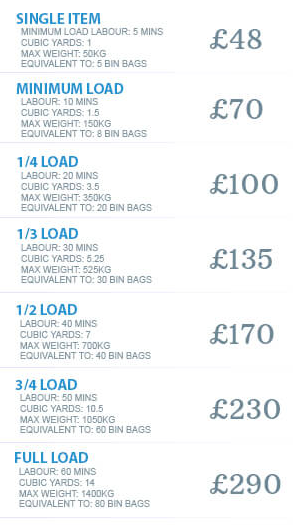
 Tipper Van - Rubbish Removal and Junk Collection Prices in Kingston upon Thames KT1
 Luton Van - Rubbish Removal and Junk Collection Prices in Kingston upon Thames KT1