Real cost of Kingston rubbish removal average quotes
Posted on 09/09/2026

Real cost of Kingston rubbish removal average quotes: what you actually pay and why
If you have ever stared at a pile of old furniture, garden waste, builders' rubble, or a half-cleared loft and wondered what it really costs to get rid of it in Kingston, you are not alone. The phrase Real cost of Kingston rubbish removal average quotes sounds simple enough, but in practice the number you are quoted depends on volume, access, waste type, labour, urgency, and a few other factors that can nudge the price up or down quite a bit.
This guide breaks the pricing picture down in plain English. We will look at how rubbish removal quotes are usually built, what drives the final bill, where people overpay, and how to compare options without getting caught out by vague estimates. If you are planning a one-off clear-out or need regular waste collection, the aim here is to help you make a calmer, smarter decision. Less guesswork. Fewer surprises. And yes, a bit less hassle too.
Why Real cost of Kingston rubbish removal average quotes Matters
Knowing the real cost matters because rubbish removal is rarely priced in one neat, fixed way. A quick quote can look attractive until you notice add-ons for labour, heavy items, extra loading time, difficult access, or restricted waste. That is where a cheap-looking estimate can quietly become a much more expensive job. To be fair, this happens more often than people expect.
In Kingston, that detail is especially important. Local streets can be tight, parking can be awkward, and some properties have stairs, side returns, basement access, or limited loading space. A crew may need more time to reach the waste, and time is money. If you already know that the quote is based on a fair assessment of the job, you can compare it properly instead of comparing apples with pears.
It also matters because the cheapest price is not always the best value. If a company quotes low but then skips proper sorting, leaves you with a messy finish, or cannot handle certain items safely, you may end up paying again. That is not saving. That is just paying later.
If you are weighing up options, the wider service picture also helps. You can review the provider's service overview and their approach to pricing and quotes so you understand what is included before anyone turns up with a van.
How Real cost of Kingston rubbish removal average quotes Works
Most Kingston rubbish removal quotes are built from a few core ingredients: how much waste there is, what the waste is made of, how easy it is to collect, and how quickly you need it done. Some companies quote by load, some by item, and some by the time and labour involved. That sounds messy, but there is a pattern once you break it down.
1) Volume is usually the starting point
For domestic clear-outs, the first question is usually: how much space will the waste take in the van? A few bin bags is a very different job from a garage full of mixed rubbish. Volume matters because transport, labour, and disposal costs tend to scale with how much needs taking away.
2) Waste type changes the price
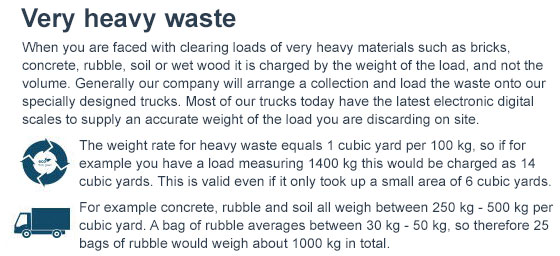
Mixed household rubbish, furniture, garden cuttings, and light office waste are usually simpler to handle than heavy rubble, plasterboard, or specialist items. More weight often means more disposal cost. Some materials can also need separate handling, sorting, or routing to appropriate recycling streams.
3) Access can make or break a quote
If a team can park close to the front door and carry items out quickly, the job is more straightforward. If they need to navigate a long walkway, narrow stairwell, controlled parking, or awkward rear access, that extra effort is often reflected in the quote. Kingston's older homes and busier high-street spots can make this more relevant than people first think. A small access issue can become a big one very quickly.
4) Labour and loading time are part of the price
Some jobs are basically a straight lift-and-go. Others involve dismantling furniture, moving items from multiple rooms, or sorting through mixed junk. The longer the crew spends on site, the more the price usually climbs. That is normal; it is not a hidden trick by itself.
5) Urgency can raise the bill
Same-day or next-day collection is often available, but speed can cost more. If you need a fast turnaround after a move, tenancy deadline, or renovation, that convenience is part of the value. For a better sense of what a rapid job looks like, our same-day rubbish removal guide covers the usual expectations without the fluff.
When you understand this structure, a quote starts to make more sense. Not perfect sense, maybe, but enough to spot when a price is fair and when it feels inflated.
Key Benefits and Practical Advantages
The biggest benefit of understanding average quotes is control. You are less likely to agree to a price you do not understand, and more likely to choose the service that actually fits the job. That sounds basic, but it saves money and stress in the real world.
- Better budgeting: you can plan ahead for a house move, refurb, or clear-out without guessing wildly.
- Cleaner comparisons: you can compare like with like instead of choosing the lowest number on a page.
- Less waste: proper quotation usually encourages proper sorting and recycling, rather than a quick dump-and-run approach.
- Lower risk of extras: if the quote is clear up front, there is less room for awkward surprises later.
- Faster decisions: once you know the likely cost range, booking becomes easier and less stressful.
There is also a practical emotional benefit. Let's face it, clutter can feel oddly heavy. A spare room full of old mattresses, broken shelving, or post-renovation debris can sit in the back of your mind like a chore you keep stepping around. A clear quote is the first little step toward getting your space back.
If your job is more specific, such as a loft, garage, or furniture-only clearance, the dedicated pages like loft clearance in Kingston and furniture disposal in Kingston can help you match the right service to the right kind of load.
Who This Is For and When It Makes Sense
This topic matters to a surprisingly wide mix of people. Homeowners use it before a clear-out. Renters use it at the end of a tenancy. Landlords use it between lets. Office managers use it after a move or refit. Tradespeople use it when building waste starts piling up. Even people simply dealing with a shed full of old bits and pieces want to know whether they are being quoted fairly.
It makes sense to think about real costs when:
- you have bulky waste that will not fit in a standard bin
- you are comparing skip hire with man-and-van removal
- the property has poor access or limited parking
- you need quick collection before moving out
- you are clearing mixed waste after decorating or renovation
- you want a disposal route that feels simpler than a council-run process
People often compare rubbish removal with skip hire, and that is sensible. A skip can work well if waste will be generated over several days and you have space for it. A collection service can be better if you want the rubbish gone in one go and do not want a skip sitting outside for days. More on that comparison later.
For construction-heavy jobs, it may also be worth looking at builders' waste clearance in Kingston, because that kind of waste often behaves differently on price from a normal household load.
Step-by-Step Guidance
If you want a fair quote and a smooth collection, here is the cleanest way to go about it.
- Sort the waste into simple categories. Keep furniture, garden waste, general rubbish, and heavy materials separate if you can. You do not need perfection here, just enough clarity to describe the load accurately.
- Estimate the size of the job. Think in practical terms: one sofa, a few bags, half a garage, a full loft, or a mixed room clear-out. If the job feels hard to describe, take a few photos.
- Check access points. Note stairs, parking restrictions, tight hallways, or rear access. This is one of the biggest reasons quotes change later.
- Ask what is included. Does the quote include labour, loading, disposal, and VAT if applicable? Is there a minimum charge? Are there separate fees for appliances, mattresses, or heavy waste?
- Ask about disposal and recycling. A reputable provider should be able to explain how waste is handled in broad terms, even if they do not give a long technical speech about it.
- Confirm timing and arrival window. A job can feel cheap until you are waiting around for half a day. That gets old fast.
- Get the final price in writing where possible. It protects both sides and makes the booking feel much more straightforward.
A small practical note: if you are clearing somewhere on a busy Kingston road or near a station-area property, mention it early. Access, parking, and timing are not minor details. They are the details.
Expert Tips for Better Results
Here is where a little experience goes a long way.
Be honest about the volume. Underestimating waste is the fastest route to a revised quote. It is tempting to say "just a few bits" when the pile says otherwise. The crew will notice, and frankly they are used to it.
Share photos from different angles. One photo can hide a lot. If you can, send wide shots and close-ups. It helps the provider judge both size and waste type.
Ask whether labour is charged per person or per job. Some companies structure this differently, and that affects value. A two-person crew is usually quicker on awkward items, but you should know whether that is reflected in the quote.
Bundle jobs where sensible. If you already have a garage clearance, adding a few extra bags or some furniture can sometimes be more economical than making separate bookings. Sometimes. Not always.
Think about timing. Midweek jobs may be easier to schedule. If you need a weekend or same-day slot, expect that convenience to show up in the quote.
Choose a provider that sounds clear, not slippery. A clean explanation usually beats a bargain that depends on a dozen asterisks. The confidence is worth something.
If you want to understand the wider values behind a provider, pages like about us, insurance and safety, and recycling and sustainability can give you a better feel for how they work beyond the headline price.

Common Mistakes to Avoid
Most overpayments come from avoidable errors, not bad luck.
- Accepting a vague quote: if you cannot tell what is included, ask. A proper provider should not mind.
- Ignoring access issues: steep stairs, narrow entrances, and parking restrictions can change the price fast.
- Mixing everything together: heavy rubble, green waste, and general rubbish may be priced differently.
- Assuming all waste is the same: it is not. Not even close, really.
- Forgetting about timing: urgent bookings can be convenient, but they may not be the cheapest option.
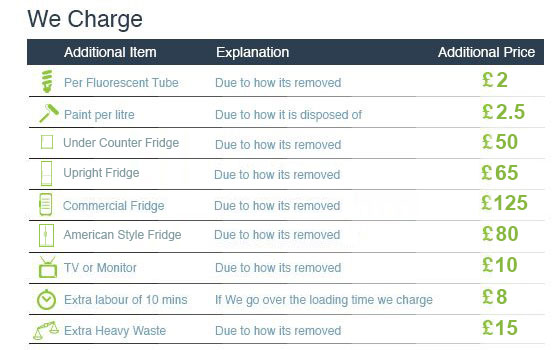
- Not checking for extra charges: watch for minimum loads, item surcharges, or disposal fees.
- Comparing a skip to a full-service collection without context: these are different tools for different jobs.
A common Kingston-specific mistake is underestimating how tricky access can be around busy streets, terraces, and older properties. If that sounds familiar, the article on narrow Kingston streets and rubbish crews is worth a look. It explains why a short walk from the van can matter more than people expect.
Another one worth avoiding: arranging a service without thinking through council rules for bulky waste or skip placement. If you are weighing those alternatives, you may also find Kingston council rules for bulky rubbish disposal and skip hire permits and Kingston council rules for KT2 jobs useful before you commit.
Tools, Resources and Recommendations
You do not need fancy tools to get this right. A phone camera, a tape measure, and a basic list of what needs going are often enough.
- Photos: take a few clear pictures of the waste from different angles.
- Room-by-room list: especially useful for house and office clearances.
- Short notes on access: include floor level, parking, and any tight spaces.
- Timing notes: mention moving day deadlines, decorators, tenants, or builder schedules.
- Service-specific pages: use focused pages for garden waste, office clearance, or house clearance rather than guessing the right service.
For more tailored planning, these pages may help depending on the job type: garden waste removal, house clearance, office clearance, and general rubbish clearance.
If your load is more of a mixed household collection, you may also want to compare rubbish collection in Kingston with junk removal in Kingston. The wording can sound similar, but the job setup can differ enough to affect the quote.
Law, Compliance, Standards, or Best Practice
For anything involving waste, the safest approach is to use a provider that follows proper UK waste-handling practice, keeps appropriate records, and sends material to legitimate disposal or recycling routes. You do not need to be a compliance expert, but you do need to avoid anything that looks casual or suspicious.
As a customer, your main responsibility is straightforward: do not hand waste to someone who cannot explain where it is going, and do not assume a price is good just because it is low. Fly-tipping is a real risk when operators cut corners, and it can come back to the person who arranged the collection if the waste is traced back. That is the nightmare scenario, honestly.
Best practice also includes:
- checking that the provider seems insured and professionally run
- asking for a clear quote and scope of work
- describing the waste accurately, especially if it includes heavier or awkward items
- avoiding unlicensed or informal disposal arrangements
- using recognised service terms and clear booking conditions
If you want to understand the company's stance on operational trust and customer handling, you can review payment and security, privacy policy, and terms and conditions. That is not the glamorous part of rubbish removal, granted, but it is the part that protects you.
Options, Methods, or Comparison Table
When people ask about average quotes, they are often really deciding between service models. Here is a simple comparison to help.
| Option | Best for | Typical strengths | Things to watch |
|---|---|---|---|
| Man-and-van rubbish removal | Quick clear-outs, bulky items, mixed waste | Fast, labour included, no skip sitting outside | Price varies with access and load size |
| Skip hire | Longer projects, gradual waste generation | Flexible loading over time, useful for refurb work | Permit and space issues may apply |
| Scheduled rubbish collection | Recurring waste or simpler collection needs | Predictable timing, useful for regular disposal | May not suit bulky one-off jobs |
| Specialist clearance | House, loft, garage, office, garden or builders' waste | Better match for the waste type and job scale | Needs accurate description to quote well |
The main takeaway? The right method depends less on what sounds cheapest and more on how the waste will actually be produced and removed. A skip can be cheaper for some longer jobs. A collection team can be better when time, access, and labour matter more.
Case Study or Real-World Example
Picture a typical Kingston clear-out on a damp Tuesday morning. Nothing dramatic. Just a family getting a spare room ready for a new baby and finally deciding to shift an old wardrobe, a broken desk, a mattress, a few black bags, and assorted odds and ends that had somehow multiplied over the years.
At first glance, it feels like "a few items." But once the crew arrives, they realise the wardrobe needs careful lifting, the mattress is awkward through the hallway, and the black bags contain a mixture of general rubbish and light bulky items. The property is on a street where parking is tight, so the van cannot sit right outside the door. Suddenly the job is not tiny anymore.
In a case like that, the quote is not really about the furniture alone. It is about volume, carrying distance, loading time, and whether the collection can be done in a single visit without causing stress inside the house. If the customer had sent a couple of photos in advance and mentioned the parking situation, the estimate would have been more accurate from the start.
That is the real lesson: the best quote is usually the one based on the clearest information. Not the most optimistic one. Not the fastest one. The clearest one.

Practical Checklist
Use this before you book anything:
- List every item or waste pile that needs removing.
- Take photos from a distance and up close.
- Note whether the waste is light, mixed, heavy, or specialist.
- Check stairs, parking, and access routes.
- Ask what the quote includes.
- Ask whether same-day or weekend collection costs more.
- Confirm if there are minimum charges or item-specific extras.
- Choose the right service type for the job, not just the cheapest-looking label.
- Review the company's trust, safety, and sustainability information.
- Keep a copy of the quote and booking details.
That short list saves a lot of back-and-forth. A bit boring, maybe. Very effective, though.
Conclusion
The real cost of Kingston rubbish removal average quotes is not one single number. It is a moving total shaped by what you are removing, how much there is, how easy it is to collect, and how quickly you need the job done. Once you understand those pieces, you can spot fair pricing more easily, avoid weak quotes, and choose a service that genuinely fits the task.
If you remember only one thing, make it this: the clearest quote is usually the cheapest quote in the long run. Not because it is always the lowest number, but because it is less likely to grow teeth later. That matters when you are already juggling a move, a renovation, or just a house that has accumulated one too many random bits in the corner.
Get a free quote today and see how much you can save.
If you are still comparing options, it can help to revisit the service pages and think through the job type one more time. A few extra minutes now often saves a lot of stress later. And that, truth be told, is worth a great deal.


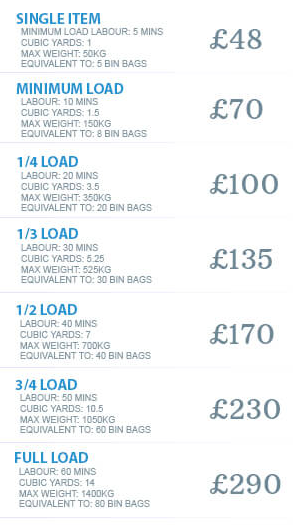
 Tipper Van - Rubbish Removal and Junk Collection Prices in Kingston upon Thames KT1
 Luton Van - Rubbish Removal and Junk Collection Prices in Kingston upon Thames KT1