Rubbish removal Kingston High Street KT1 tips for booking
Posted on 26/05/2026
If you are trying to sort out rubbish removal on Kingston High Street in KT1, the booking process can feel more fiddly than it should. There is traffic to think about, access restrictions, awkward loading spots, and the usual last-minute rush that seems to happen whenever you finally decide to clear the spare room, office corner, or pile of builder's waste by the back door. The good news? A smooth booking is very achievable once you know what to ask, what to prepare, and what to avoid.
This guide pulls together practical Rubbish removal Kingston High Street KT1 tips for booking so you can choose the right service, get a clearer quote, and avoid the common mistakes that slow everything down. Whether you are clearing household clutter, office items, or post-refurbishment waste, the aim is simple: book once, get it done properly, and keep the whole thing straightforward.
If you want to understand the wider range of services available in the area, it can help to start with the services overview and then narrow down to the specific job you need. That little bit of homework saves time later. Truth be told, it also makes the quote stage much less painful.

Why Rubbish removal Kingston High Street KT1 tips for booking Matters
Kingston High Street is not the kind of place where you can just assume rubbish collection will be easy by default. It is busy, central, and often full of moving parts: shopfronts, flats above businesses, office spaces, loading constraints, pedestrians, and deliveries coming and going. That means a rushed booking can lead to avoidable delays, access problems, or a collection that takes longer than it should.
Good booking tips matter because they help you describe the job accurately. And when the job is described properly, the quote is usually clearer, the team arrives prepared, and the collection tends to go much more smoothly. A small detail, like whether waste is on the ground floor or a top-floor flat with no lift, can make a real difference. Same with whether there is a parking space nearby or if the crew has to wait for access.
There is also a practical money angle. If you underdescribe the load, you may get a surprise adjustment on the day. If you overdescribe it, you might pay for capacity you do not need. Neither is ideal. Booking well is partly about fairness, partly about convenience, and partly about avoiding that slightly awkward moment when everyone is standing there trying to work out where the extra sofa came from. Happens all the time, by the way.
For anyone planning a bigger project, such as a flat clear-out, office tidy-up, or renovation waste removal, it can also be useful to read more about the local context in understanding Kingston property. The type of building you are dealing with often shapes the whole booking experience.
How Rubbish removal Kingston High Street KT1 tips for booking Works
The basic process is usually simple: you describe the waste, ask for a quote, agree a collection window, and then the crew arrives to remove the items. The details, however, are what make the difference between a seamless experience and a frustrating one.
Most rubbish removal bookings follow a pattern like this:
- Identify the waste type. Household rubbish, furniture, green waste, office clutter, or builder's waste all need slightly different handling.
- Estimate the volume. A few bin bags is one thing; a mixed pile of wardrobes, broken shelving, and plasterboard is another.
- Check access details. Mention stairs, narrow entrances, parking limits, and whether the team needs to carry items a long distance.
- Request a quote. A good provider will want enough detail to give a realistic estimate.
- Confirm the booking. Time slot, payment method, and any terms should be clear before the day arrives.
- Prepare the load. Group items together if possible, and make sure anything staying behind is clearly separated.
One thing people sometimes overlook is that rubbish removal is not just about taking things away. It is also about sorting, handling, loading, transport, and disposal. That is why a proper booking needs a bit more information than "there's some stuff to collect." Not wrong, just a bit too vague.
If your clearance relates to a renovation or trade job, the builders waste clearance service is worth a look, because construction debris usually needs a more tailored approach than general household rubbish.
Key Benefits and Practical Advantages
Booking rubbish removal properly gives you more than a tidy space. It gives you control over the job. That sounds obvious, but in practice it makes a huge difference.
- Less stress: you know who is coming, when they are coming, and what they are taking.
- Better pricing clarity: detailed booking information reduces the risk of mismatched expectations.
- Faster clearance: the crew can work efficiently if access and load details are known in advance.
- Safer handling: heavy furniture, sharp items, and mixed waste are easier to manage with a proper plan.
- Cleaner result: a good booking often leads to a better final sweep-up and less leftover mess.
- More suitable disposal: recyclable and reusable items can be separated more sensibly when the job is described well.
There is a local advantage too. Kingston High Street has its own rhythm. Busy mornings, lunchtime footfall, commuter traffic, and the general squeeze of a town-centre location can all affect timing. If you book without thinking about those realities, you may end up waiting around while the crew circles for a place to stop. Nobody wants that.
For people who care about reuse and responsible disposal, it helps to understand the provider's approach to materials. A page like recycling and sustainability can give you a better sense of how waste is sorted and what happens after collection.
Who This Is For and When It Makes Sense
This kind of booking guidance is useful for more people than you might expect. If you live, work, trade, or manage property near Kingston High Street, there is a good chance you will need a rubbish removal service at some point.
- Homeowners and tenants: for decluttering, end-of-tenancy clear-outs, or furniture disposal.
- Landlords and agents: for quick turnaround between occupiers and post-tenant waste.
- Shop owners: for packaging waste, shelving, and unwanted stock or fixtures.
- Offices and co-working spaces: for desks, electronics, files, and general office clearance.
- Tradespeople: for renovation debris, old fittings, and site tidy-up.
- People handling life changes: downsizing, moving, bereavement clearances, or a long-overdue loft clean-out.
Sometimes the trigger is very ordinary. A broken sofa blocks the hallway. A garage has become a storage cave. A spare room quietly filled up over three years and now looks like a small museum of things you forgot you owned. You know the feeling.
If you are dealing with a specific space rather than general clutter, these service pages can help narrow things down: house clearance, office clearance, garage clearance, and loft clearance.
Step-by-Step Guidance
If you want the booking to go smoothly, work through the process in order. It does not have to be complicated, but a bit of method goes a long way.
1. Sort the rubbish into broad categories
Start by separating items into rough groups: general rubbish, furniture, appliances, garden waste, builder's debris, and anything that may require special handling. You do not need to create a perfect inventory, but a little structure helps a lot.
2. Take clear photos
Photos are one of the easiest ways to improve accuracy. A quick snapshot of the pile, plus one or two wider shots showing the surrounding space, can be far more helpful than a long description. If the job is inside a flat or office, show the stairs or lift access too. It sounds small, but it saves time later.
3. Measure the obvious large items
For sofas, wardrobes, mattresses, desks, and similar bulky items, rough measurements help. You do not need to get the tape measure out for every broken lamp or bag of rubbish. Still, if the large items are awkward, mention dimensions. The team will appreciate it.
4. Be honest about access
This is where a lot of problems start. If there is no parking nearby, if the property sits above a busy retail unit, or if the waste is in a rear yard with a narrow gate, say so upfront. A collection in Kingston High Street is often more about access than volume. In other words: the path to the waste matters just as much as the waste itself.
5. Ask what is included in the quote
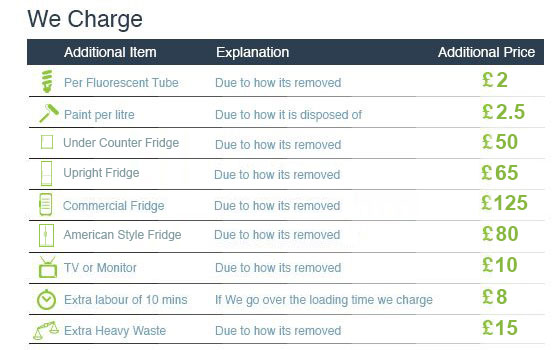
Check whether the price includes labour, loading, disposal, VAT if applicable, and any extra charges for difficult access or heavy items. If you are comparing options, it is sensible to look at pricing and quotes so you understand how estimates are usually framed.
6. Confirm the collection window
For a central location, timing matters. Ask whether the booking is a fixed slot or a broader window. If you need collection around business opening hours, building management rules, or residential quiet times, make that clear. A five-minute mismatch can turn into a whole afternoon of waiting. Not ideal.
7. Prepare the site before arrival
Move small loose items into one area, keep the access route clear, and separate anything that should not be taken away. If you are in a shared building, let neighbours or staff know in advance. It keeps the day calmer for everyone.
Expert Tips for Better Results
A few simple booking habits can make a rubbish removal job easier, cheaper, and more predictable. None of them are glamorous. They just work.
- Book a little earlier than you think you need to: especially if you are aiming for a Friday slot, a month-end move, or post-renovation clearance.
- Group waste by type: mixed waste can be handled, of course, but tidy grouping helps the team estimate more accurately.
- Keep one contact person available: it avoids confusion if the crew needs a quick decision on the day.
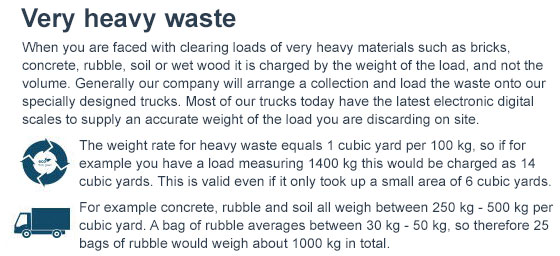
- Be cautious with "heavy" items: old filing cabinets, wet plasterboard, stone, and large appliances can change the job significantly.
- Ask about recyclable separation: if sustainability matters to you, say so. A decent provider will usually explain their process clearly.
- Use specialist services where needed: furniture disposal, garden waste, and builders waste are all common but not identical jobs.
One small but useful tip: if the property is near a busy stretch of Kingston High Street, choose a time that avoids the worst rush where possible. Early morning often feels calmer. You can hear the town waking up, the shutters lifting, the occasional delivery van reversing into place. Much easier than trying to juggle a clearance in the middle of the lunch crush.
And if the waste is mostly old chairs, wardrobes, tables, or soft furnishings, take a moment to check the dedicated furniture disposal option. That sort of specificity often leads to a smoother booking and a more accurate quote.

Common Mistakes to Avoid
Most booking problems come from a few very ordinary mistakes. The tricky part is that they feel harmless at the time.
- Underestimating the volume. A small pile can turn into a van-filling load once everything is gathered together. It happens all the time.
- Ignoring access issues. Stairs, parking, and narrow entrances can affect both time and cost.
- Forgetting about restricted items. Some waste may need special treatment, so do not assume everything can just go in one mixed load.
- Booking too late. If you need the clearance by a fixed date, leaving it to the last moment is a risky move.
- Not checking what the quote includes. A cheap-looking price can be less appealing if extras appear later.
- Leaving the space unprepared. Loose clutter, blocked hallways, or items left in the wrong room can slow the job down.
There is also a softer mistake: trying to do too much at once. If you are clearing an office, a flat, and a garage in one go, split the job into sensible phases. You will think more clearly, and the booking will probably go more smoothly. Less chaos. More control.
Tools, Resources and Recommendations
You do not need much equipment to book rubbish removal well, but a few simple tools can make the job easier.
- Phone camera: take clear photos of the waste and access route.
- Basic tape measure: useful for large furniture and awkward items.
- Notes app: jot down quantity, floor level, parking details, and timings.
- Clear labels or tape: handy if you want to mark items that are staying.
- Checklist: ideal when several people are involved in the same space.
For related service planning, these pages are often helpful:
- rubbish clearance in Kingston for general household or mixed waste
- junk removal for quick removal of varied clutter
- rubbish collection for straightforward pickup needs
- waste removal for broader disposal needs
- the contact page when you are ready to ask a question or arrange a booking
If you are still weighing up the provider, reading about the company can be useful too. A clear service explanation and straightforward communication are usually good signs. Not flashy, just reassuring.
Law, Compliance, Standards, or Best Practice
Rubbish removal is not just a practical service; it also sits within a framework of UK waste handling expectations. You do not need to become a waste law expert before booking, but a few basics are worth understanding.
First, make sure the waste is collected by a responsible operator. If you hand rubbish to someone who cannot demonstrate proper handling or disposal arrangements, the trail can become messy very quickly. That is why checking a provider's policies, safety approach, and general professionalism matters.
Second, some items need extra care. Electrical goods, bulky furniture, sharp materials, and renovation debris may require different handling methods. This is normal, not alarming, but it should be discussed before collection. If the job involves heavier or riskier materials, the page on insurance and safety is a sensible read.
Third, good practice usually means clear pricing, clear terms, and clear communication. That is especially helpful in busy areas like Kingston High Street, where access and timing can change quickly. If you want to understand the small print before you book, the terms and conditions can help set expectations.
Finally, if you are dealing with a business premises, office, or mixed-use property, it is worth making sure the collection aligns with your building rules and operational schedule. For some locations, even a short loading stop needs planning. A bit dull, yes. But very real.
Options, Methods, or Comparison Table
Not every clearance needs the same method. The best choice depends on how much rubbish you have, how quickly you need it gone, and how easy it is to access the property.
| Option | Best for | Strengths | Things to watch |
|---|---|---|---|
| Man and van rubbish removal | Mixed household waste, furniture, quick clear-outs | Flexible, labour included, often fastest for awkward access | Quote accuracy depends on good description and photos |
| Skip hire | Ongoing projects, renovations, lots of bulky waste | Good for repeated loading over time | Needs space, permits may be required, not ideal for tight high street access |
| Specialist clearance | House clearance, office clearance, or larger site jobs | Better for complex loads and structured sorting | May need more lead time and a clearer inventory |
| Single-item disposal | One sofa, mattress, appliance, or similar item | Simple and quick for small jobs | Not always the cheapest if you later add more items |
For Kingston High Street specifically, man and van style rubbish removal often makes the most sense because access can be tighter than people expect. Skip hire can still be useful for bigger projects, but it is worth comparing against skip hire in Kingston before you decide.
Case Study or Real-World Example
Here is a realistic example based on a common kind of job in KT1. A small flat above a shop on Kingston High Street needs clearing after a tenant moves out. The space includes two wardrobes, a bed frame, several black bags, a desk chair, and a few miscellaneous boxes from the kitchen. There is no lift, parking is limited, and the stairwell is narrow enough that two people can barely pass comfortably if one is carrying a box.
The person booking sends photos, notes the floor level, and explains that the items are in three rooms plus the hallway. They also mention that access is through the front entrance during a busy period, so the team may need to work quickly and keep the route clear. The quote arrives with fewer surprises because the booking was honest from the start.
On the day, the crew arrives with enough labour to move the bulky pieces safely. The client has already separated a few items for recycling and kept the hallway open. The load is cleared in one visit. No drama, no back-and-forth, no "oh, there was one more chest of drawers downstairs." That last bit is where many bookings go sideways.
If the same job had been described as "some rubbish in a flat," the outcome might have been very different. The key lesson is simple: clear detail creates a calmer booking. And calmer bookings, frankly, are nicer for everyone involved.
Practical Checklist
Use this checklist before you confirm your booking. It keeps things tidy, and it does stop the little oversights that can cost time later.
- Have you identified the main waste type or mix of waste?
- Have you taken clear photos of the items and the access route?
- Have you estimated the volume in a sensible way?
- Have you mentioned stairs, lifts, parking, and entrance constraints?
- Have you checked whether any items need special handling?
- Have you asked what the quote includes?
- Have you confirmed the time window and date?
- Have you prepared the area so the crew can work efficiently?
- Have you separated anything that should not be removed?
- Have you checked the provider's service pages if you need a more specific clearance type?
One line to remember: good photos, honest access details, and a clear description are the three things that improve rubbish removal bookings fastest.
Conclusion
Booking rubbish removal on Kingston High Street KT1 does not need to be complicated. The trick is to treat the booking like a small project rather than a quick phone call. Once you think about access, load size, timing, and the type of waste, the whole process becomes easier to manage. That is especially true in a busy high street setting, where a little planning saves a lot of hassle.
Whether you are clearing a flat, an office, a garage, or a pile of mixed clutter that has somehow grown legs, the best results usually come from being specific upfront. Ask clear questions, compare like with like, and choose a provider that explains things plainly. Simple enough, really. And much nicer than rushing on the day and hoping for the best.
If you are ready to move forward, take a moment to review the relevant service page, gather a few photos, and then make the booking with confidence. That small bit of preparation tends to pay off.
Get a free quote today and see how much you can save.
Sometimes the best feeling is just getting the space back. A clear floor, an open doorway, a bit of breathing room. Small thing, big relief.



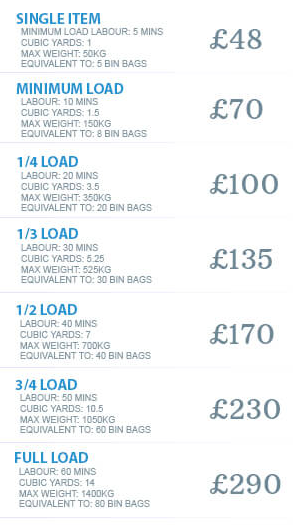
 Tipper Van - Rubbish Removal and Junk Collection Prices in Kingston upon Thames KT1
 Luton Van - Rubbish Removal and Junk Collection Prices in Kingston upon Thames KT1