Skip hire permits and Kingston council rules for KT2 jobs
Posted on 30/07/2026
If you are planning a clear-out, renovation, or building job in KT2, the last thing you want is a skip that causes hassle on the street. Skip hire permits and Kingston council rules for KT2 jobs can feel a bit dry at first glance, but they matter more than most people expect. Put simply, the rules affect where the skip can sit, how long it can stay there, whether you need permission, and what happens if access is tight or neighbours complain. Get it right early and the job runs smoothly. Get it wrong and you can end up with delays, extra charges, or a very awkward conversation with the council.
In this guide, we will break down the practical side of permits, what Kingston residents and contractors should check before booking, and how to avoid the usual mistakes. We will also look at when skip hire is the sensible option, when a different waste solution might be easier, and how to plan around narrow streets, parking pressure, and everyday KT2 realities. Let's face it, Kingston roads can be busy enough without a skip making life harder.

Why Skip hire permits and Kingston council rules for KT2 jobs Matters
In KT2, skip hire is rarely just about ordering a metal box and leaving it outside. The location matters. If the skip sits on private land such as a driveway or inside a forecourt, the process is usually simpler. But if it needs to go on a public road, you are moving into permit territory and local rules start to matter fast. That includes where the skip is placed, whether lights or cones are needed, and how the street remains safe for pedestrians, cyclists, and vehicles.
Kingston council rules are there for a reason. Streets in and around KT2 can be narrow, busy, and heavily parked. A skip in the wrong place can block sight lines, create access issues for bins and deliveries, or make life awkward for emergency access. If your job is happening near a main route, a side road, or a terrace with limited space, planning becomes even more important. You will notice the difference immediately when traffic starts building around school run time or early evening.
It also affects money. A missed permit can mean a skip cannot be delivered on time, and a poorly planned placement may force you to move to a different waste method halfway through the project. That is not the end of the world, but it is annoying. And expensive, sometimes.
For people managing home improvements, landlord clearances, or trade work, this is where practical local knowledge pays off. If you want broader support with rubbish disposal choices, it can help to compare options alongside local guidance such as Kingston council rules for bulky rubbish disposal explained and the wider range of waste and clearance services.
How Skip hire permits and Kingston council rules for KT2 jobs Works
The basic idea is straightforward. If the skip is staying entirely on private property, you generally do not need a permit. If it is placed on a public highway, even partly, a permit is typically required. In practice, this means the skip provider usually needs to arrange the permit or tell you what you must do. Do not assume it is automatic. That is one of those tiny details people miss until the lorry is already on the way.
For KT2 jobs, there are a few moving parts:
- Placement - driveway, front garden, forecourt, or road.
- Access - whether the lorry can get in and out without damaging pavement edges or blocking traffic.
- Duration - how long the skip will stay in place.
- Safety measures - lights, cones, reflective markings, or other visibility requirements, depending on location and time.
- Waste type - general mixed waste, builder's waste, soil, garden material, furniture, or restricted items.
Kingston council rules are especially relevant if your road is busy, if parking is controlled, or if there are shared access points. A permit may come with conditions that are easy to overlook. For example, the skip may need to sit where it does not interfere with driveways or crossings, and the provider may need to position it with visible safety markings. That is normal. It is not red tape for the sake of it. It is about keeping the street usable.
If you are dealing with renovation debris, a dedicated service such as builders waste clearance in Kingston upon Thames can sometimes be a cleaner fit than a roadside skip. Likewise, if your job is a mixed household clear-out, you may find house clearance in Kingston upon Thames or rubbish collection in Kingston more practical.
The main thing is to match the solution to the street conditions. KT2 is not one-size-fits-all. A driveway in a quiet cul-de-sac is one thing. A terraced road with tight parking and a delivery van blocking the turning circle is quite another.
Key Benefits and Practical Advantages
Handled properly, skip hire can save a lot of time. Not just time on site, either. It can reduce repeated trips to the tip, keep the job area tidy, and help tradespeople work more safely. On a renovation day, that matters. Bags pile up fast. Broken plasterboard, offcuts, old timber, packaging, and tile rubble all take up room. Having one controlled place to put it all keeps the work moving.
There is also a mental benefit. A clear site feels easier to manage. That sounds minor, but if you have ever tried to fit a hallway full of debris around a decorator, a plumber, and a box of new flooring, you will know exactly what I mean. Everything gets less stressful when waste has a designated home.
The practical advantages include:
- Cleaner working space for trades and householders.
- Better organisation for mixed waste streams.
- Lower disruption when the permit and placement are planned well.
- Safer handling compared with loose piles or improvised dumping spots.
- More predictable costs when the right skip size is chosen first time.
There is a wider environmental upside too. A reputable operator should sort waste responsibly and separate recyclable material where possible. If sustainability matters to you, read up on recycling and sustainability practices before you book. That way you are not just getting rid of waste; you are choosing a route that supports better reuse and recovery where feasible.
Expert summary: the best skip hire jobs in KT2 are the ones planned around the street, not just the rubbish. Measure access first, check permit needs early, and pick the waste method that suits the property rather than forcing the property to suit the waste.
Who This Is For and When It Makes Sense
Skip permits and council rules are relevant to a surprisingly wide group of people in KT2. Homeowners doing a kitchen rip-out, landlords clearing a property between tenancies, builders managing refurbishment waste, and even office managers dealing with old desks and fit-out material can all end up needing one.
It makes the most sense when the job creates waste in bulk and the work happens over several hours or days. A skip is especially useful if:
- you expect heavy or awkward materials;
- you need waste available throughout the day;
- you have a large, ongoing project;
- access to local recycling facilities would be awkward;
- you want one tidy collection point instead of multiple smaller pickups.
On the other hand, if you are clearing just a sofa, a few bags, or a small pile of garden waste, a full skip may be more than you need. In those cases, a targeted service such as furniture disposal, garden waste removal, or junk removal can be quicker and easier. Truth be told, not every job needs a skip. Sometimes people book one because it feels obvious, then realise half of it is still empty by day two.
For people in the middle of moving, decluttering, or getting a place market-ready, it can be useful to browse local context on Kingston property considerations or everyday perspective pieces like local advice on living in Kingston. They help explain why access, parking, and planning in this part of London often shape the practical choice more than people expect.
Step-by-Step Guidance
If you want to avoid permit headaches, the safest approach is to work through the process in order. Small steps, yes, but they save a lot of stress later.
- Define the job properly. Estimate the waste type, volume, and timescale. A bathroom refit produces different waste from a garage clear-out or office refresh.
- Check where the skip will sit. Private land is simpler. Public highway placement usually means permit checks.
- Assess access. Ask yourself whether a skip lorry can enter, reverse, unload, and leave without blocking the road or damaging kerbs.
- Choose the right size. Too small and you will need extra collections. Too large and you may pay for space you never use.
- Confirm permit responsibility. Find out whether the provider arranges it or whether you need to do part of the process.
- Plan the start date carefully. Leave room for permit processing, especially if the job is tied to contractors arriving on a fixed day.
- Prepare the area. Move cars, clear bins, and warn neighbours if the placement affects shared access.
- Load waste correctly. Keep prohibited items out, distribute weight evenly, and avoid overfilling.
- Arrange collection on time. Do not leave a skip sitting longer than necessary. It is better for the street, and frankly, better for everyone's patience.
If the job involves building material or mixed heavy waste, builders waste clearance in Kingston upon Thames may support you with a more hands-off approach. For larger domestic jobs, a broader skip hire in Kingston upon Thames service can help you match skip size and placement to the site properly.
Expert Tips for Better Results
One of the best habits is to think about the street before thinking about the rubbish. That might sound backwards, but it is exactly how good skip planning works. In KT2, road layout and parking pressure are often the real deciding factors.
A few practical tips stand out:
- Book early in the week if the job has a fixed contractor schedule. It avoids last-minute scrambles.
- Take a quick photo of the proposed placement area before booking. It helps the provider judge access and avoid surprises.
- Ask about restricted items before anything goes in. The wrong item can cause collection issues or extra handling requirements.
- Leave breathing room around the skip for safe loading. It sounds obvious, but people often jam it into the tightest possible gap.
- Coordinate with neighbours if the street is shared or parking is precious. A quick heads-up can prevent friction.
- Keep an eye on waste weight when dealing with soil, rubble, or bricks. Heavy waste fills a skip differently from light mixed rubbish.
Here is a small but useful rule of thumb: if you think access may be tricky, it probably is. Narrow lanes, parked cars, and turning space can change a simple delivery into a slow, awkward exercise. That is why local operators often ask more questions than you expect. They are not being nosy; they are trying to prevent a failed drop-off.
If your site has access challenges, it may also help to read how narrow Kingston streets affect waste crews and why pickup delays sometimes happen. Those practical realities are part of the local picture, and they are worth factoring in early.

Common Mistakes to Avoid
Most skip-related problems in KT2 are avoidable. That is the good news. The less good news is that they are also very easy to cause if you rush the booking.
- Assuming a roadside skip needs no permit. If it touches public highway space, check first.
- Underestimating access issues. A road may look fine on foot and still be poor for a lorry.
- Choosing the wrong skip size. This is the classic one. Too small is frustrating; too large can be wasteful.
- Mixing prohibited waste with general waste. It can complicate disposal and create avoidable delays.
- Ignoring neighbours or shared access routes. Shared roads and driveways can become a point of tension very quickly.
- Leaving the skip longer than planned. If the council permit or booking window is limited, that can create issues.
There is also a human mistake that gets overlooked: people often book before they have cleared the area. Then the skip arrives and there is nowhere sensible for the truck to place it. A tidy fifteen-minute prep can save a very long afternoon. Honestly, that tiny bit of forethought pays for itself.
Tools, Resources and Recommendations
You do not need a complicated toolkit to manage a skip job well, but a few simple tools make the process easier.
- Tape measure - for checking width, height, and turning room.
- Phone camera - useful for site photos and access checks.
- Basic floor plan or rough sketch - helpful if the property has a driveway, alley, or restricted frontage.
- Waste list - write down what will go in the skip before ordering.
- Calendar reminder - for delivery day, permit date, and collection time.
It is also sensible to review service pages and policy pages before confirming a booking. If you want to understand how a provider handles jobs, look at about the company, insurance and safety, pricing and quotes, and payment and security. Those pages help you judge professionalism, not just price.
For people who need a lighter-touch route than a skip, it is worth comparing with rubbish clearance or waste removal. The right tool is the one that fits the job without adding unnecessary friction. Simple as that.
Law, Compliance, Standards, or Best Practice
For KT2 jobs, the legal and compliance side usually comes down to permits, safe placement, and responsible waste handling. Exact permit conditions can vary depending on the street and the council's current rules, so it is wise to treat the council process as something to confirm before delivery rather than after. That cautious approach is the safest one.
Good practice usually includes:
- securing permission before placing a skip on public highway land;
- using a licensed and responsible waste operator;
- keeping the skip clearly visible if required;
- avoiding obstruction of pavements, driveways, crossings, or sight lines;
- preventing overfilling and unsafe loading;
- sorting waste properly where recycling opportunities exist.
If your project is part of a building job, waste control becomes even more relevant. Building waste, mixed rubble, and heavy materials can create handling risks if they are not managed with care. For that reason, providers that explain their operating standards clearly can be a better choice than the cheapest option on the page. If in doubt, read the provider's terms and conditions carefully and ask direct questions. No shame in that. It is your street, after all.
Options, Methods, or Comparison Table
There are several ways to deal with waste in KT2, and the right one depends on space, timing, and the type of material you are clearing.
| Option | Best for | Pros | Watch-outs |
|---|---|---|---|
| Roadside skip | Medium to large projects with steady waste | Convenient, on-site, good for ongoing work | May need a permit, can affect parking |
| Skip on private land | Homes with driveway or forecourt space | Easier compliance, usually less disruption | Needs enough room and clear access |
| Rubbish clearance service | Mixed domestic waste or bulky items | No skip sitting outside, flexible collection | Less ideal for continuous loading over several days |
| Specialist builders waste clearance | Renovation and construction debris | Efficient for heavy or trade waste | Must match waste types and site conditions |
For many KT2 jobs, the decision is really between a skip and a removal team. If you have room and need time to load gradually, a skip can be ideal. If you want the waste gone in one visit without worrying about a permit, a collection service may be easier. There is no universal winner here. Just the best fit for the site.
Case Study or Real-World Example
Imagine a typical KT2 kitchen refurb in a terraced house. The homeowners have old units, packaging, broken tiles, and a stack of plasterboard offcuts. At first, they think a skip on the road will be easiest because the front garden is tiny. But once they check the street, they realise parking is already tight, and delivery would block a neighbour's driveway. Not ideal.
So they reassess. They speak to the provider, confirm the access route, and decide on an alternative: a smaller solution paired with a scheduled collection from a more suitable point. Waste is removed in stages, the road stays usable, and the job proceeds without a permit issue spiralling into a delay. Nothing dramatic. Just sensible planning.
Another common scenario is a landlord clearing a flat between tenancies. In those cases, there may be furniture, bags of mixed household items, and a few awkward bits left behind by the previous occupier. A full skip may not be the best answer, especially if the building sits on a busier Kingston street. A more targeted clearance route can be simpler and cheaper once you factor in access and time.
If you live near the station or busier stretches of Kingston, local access issues can make a big difference. That is why reading local waste collection options near Kingston station and booking tips for Kingston High Street can be useful before you settle on one method.
Practical Checklist
Use this checklist before you book anything. It saves time, and a few headaches too.
- Confirm whether the skip will be on private land or public road space.
- Measure the available space for delivery and collection.
- Check for parked cars, low walls, overhanging branches, or tight turning space.
- List the exact types of waste you expect to produce.
- Ask whether a permit is needed and who arranges it.
- Check the planned duration of the hire.
- Find out whether lights, cones, or other safety measures are required.
- Compare skip hire with clearance or collection alternatives.
- Read the provider's pricing, terms, and payment details.
- Book collection as soon as the waste is ready to go.
Quick practical reminder: if you are unsure about access, take a photograph from the road and another from the proposed drop point. Two minutes, done. It often tells you more than a long phone call.
Conclusion
Skip hire permits and Kingston council rules for KT2 jobs are not something to leave until the last minute. The street, the property layout, the waste type, and the length of the job all shape the right solution. If the skip is on the road, assume you need to check permit requirements. If access is tight, assume you need to plan carefully. That is the safe way to do it, and usually the cheapest way too.
The best KT2 projects are the ones that start with a clear waste plan. That means choosing the right disposal method, getting the placement right, and avoiding avoidable friction with neighbours or parking restrictions. It does not have to be complicated. Just thoughtful. A little practical planning goes a long way, especially on a busy Kingston street.
If you are comparing options or want help choosing between skip hire and a collection-based approach, the next step is simple: talk through the site, the waste, and the timing before you commit. That one conversation can save you a surprising amount of effort later.
Get a free quote today and see how much you can save.


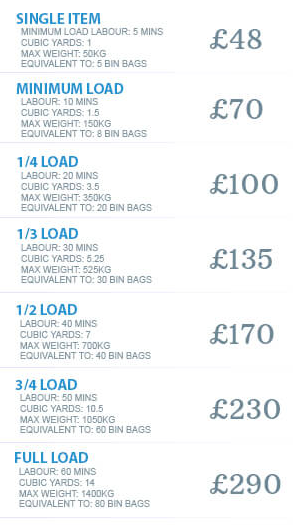
 Tipper Van - Rubbish Removal and Junk Collection Prices in Kingston upon Thames KT1
 Luton Van - Rubbish Removal and Junk Collection Prices in Kingston upon Thames KT1