What to know about Kingston council fly tipping fines
Posted on 17/08/2026
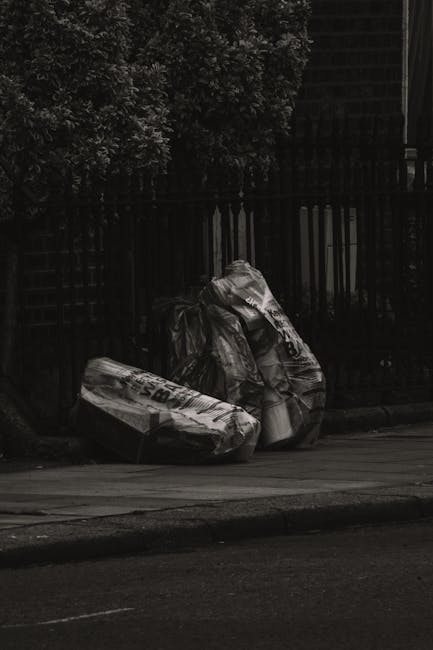
If you live, work, rent, manage property, or arrange waste clearance in Kingston, fly tipping fines are one of those things you hope never to deal with, but really should understand before there's a problem. A bit of dumped rubbish by a roadside might look minor at first glance, yet the consequences can get expensive fast. In practice, the issue is not just the mess. It is the legal duty to dispose of waste correctly, the risk of being linked to someone else's rubbish, and the hassle of proving you did the right thing.
This guide explains what Kingston council fly tipping fines usually mean in real-world terms, how enforcement tends to work, what mistakes people make, and what to do if you want to stay on the safe side. We'll keep it plain-English and practical. No drama, no scare tactics. Just the useful stuff you actually need.

Why Kingston council fly tipping fines matter
Fly tipping is not just an eyesore on a pavement, alley, verge, or quiet side street. It creates a chain reaction. Bags split open. Waste gets blown around. Passers-by assume someone else will deal with it. Before long, the area feels neglected, and that can affect neighbours, local businesses, and even how people feel about a street at dusk when the bins are out and the traffic has calmed down.
For households and businesses, the biggest issue is responsibility. In the UK, waste has to be transferred and disposed of properly. If you hand rubbish to the wrong person, leave it somewhere it shouldn't be, or can't show who collected it, you can still end up answering questions later. That is why Kingston council fly tipping fines matter even if you personally never dump anything in a field or lane. The problem can begin with a simple mistake.
Let's face it, most people don't set out to cause trouble. It's usually a rushed clear-out, a builder finishing late, a tenant moving out, or a garden pile that grew a bit too big. But councils tend to view fly tipping seriously because the cleanup falls on local services and the cost lands on the public. Once you see it from that angle, the enforcement side makes more sense.
If you are clearing a property or arranging bulky waste, it helps to know the local support options too. Pages like house clearance in Kingston upon Thames and rubbish collection in Kingston upon Thames are useful starting points when you want a lawful, tidy route instead of leaving things to chance.
How Kingston council fly tipping fines work
In plain terms, fly tipping enforcement usually starts when waste is found in a place it should not be. That might be on a street corner, beside a bin store, near garages, in a lay-by, or behind commercial premises. The council, or another enforcement body, may investigate what the waste is, where it came from, and who is responsible.
Here's the important bit: responsibility does not always sit with the person who physically dropped the waste. If you gave rubbish to an unlicensed carrier, failed to check paperwork, or allowed waste from your property to be handled carelessly, you may be asked to explain your role. People are often surprised by that. It feels unfair at first, but that is how waste duty works in practice.
Not every case leads to the same outcome. An officer may issue a warning, a fixed penalty, or pursue a broader investigation depending on what they find. Some matters can become more serious if the waste volume is large, there is evidence of organised dumping, or it appears to be commercial waste rather than a household bag or two. The exact enforcement route can vary, so it is sensible to avoid treating every case as identical.
In the real world, evidence often matters more than assumptions. Photos, location details, dates, vehicle numbers, receipts, and clear communication can all help someone show they disposed of waste properly. If your rubbish was collected by a service, keep the paperwork. That simple habit saves headaches later. Boring? Yes. Useful? Absolutely.
For larger or awkward jobs, it is worth thinking ahead about access, load size, and disposal route. The council's approach to bulky waste is one thing; a responsible private collection route is another. If you want to understand the difference more clearly, the article on Kingston council rules for bulky rubbish disposal is a sensible companion read.
Key benefits and practical advantages
Knowing how fly tipping fines work gives you more than legal reassurance. It helps you make better decisions about storage, clearance, and collection. That sounds simple, but it can save time and money in very ordinary ways.
- Fewer compliance risks: You're less likely to hand waste to the wrong person or dump it in the wrong place.
- Better record-keeping: Receipts and booking details make it easier to prove disposal was handled correctly.
- Cleaner property handovers: Landlords, sellers, and tenants can avoid disputes over leftover rubbish.
- Less disruption: A lawful clearance usually moves faster than trying to fix an enforcement problem after the fact.
- Better environmental outcomes: Waste is more likely to be reused, recycled, or processed properly.
There's also a quieter benefit: peace of mind. If you've ever stood outside a house after a clear-out, looking at a half-full van and a pile that somehow still looks too big, you know the feeling. You want the job finished properly. No mystery bags. No "we'll sort it later." Just done.
That is one reason many residents and landlords pair their planning with broader local guidance such as recycling and sustainability and the services overview. It helps align the practical side of waste removal with the responsible side.
Who this is for and when it makes sense
This topic matters to a lot more people than you might think. It is not just for business owners or landlords, and it is definitely not only for people who have already had a problem. If waste leaves your hands, this applies to you.
- Homeowners: especially during decluttering, renovations, or garden work.
- Tenants: when moving out and trying to leave a property clean.
- Landlords and agents: when clearing abandoned items or managing end-of-tenancy waste.
- Tradespeople: especially builders, decorators, and fitters handling mixed waste.
- Small businesses: for office clear-outs, retail waste, and stored junk.
- Anyone using a third-party collector: because the trust issue is where many problems start.
It also makes sense if you are planning a larger clear-out and need a lawful route for disposal rather than the "just leave it near the curb and hope" approach. That route tends to end badly. A neighbour notices. Someone reports it. The bag bursts in the rain. And then the whole thing becomes more awkward than it needed to be.
For example, a landlord clearing a garage after a long tenancy may be tempted to pile everything into one corner and call it a problem for later. But if that waste is then left outside the wrong way, the risk rises. Services like garage clearance in Kingston upon Thames or loft clearance in Kingston upon Thames can be a safer route when the job is bigger than a standard bin day.
Step-by-step guidance
- Identify the waste properly. Separate household waste, garden waste, bulky items, electrical items, and construction debris. Mixed loads are where people make quick, messy decisions.
- Decide whether it belongs in council collection, a skip, or a private clearance. The right choice depends on volume, access, timing, and the type of materials.
- Check who is collecting it. If someone else removes the rubbish, make sure they are legitimate and that you receive written proof of collection.
- Keep records. Save quotes, invoices, messages, and any confirmation of the collection date. It feels dull. It matters later.
- Don't leave waste outside early. A bag or two placed in the wrong spot can become a complaint if it sits there too long or is damaged by weather and animals.
- Use the right service for the job size. If it's a small household load, a simple collection may be enough. For heavier or mixed material, consider a more structured clearance route.
- Inspect the area after removal. Make sure nothing has been left behind, especially screws, wood offcuts, broken glass, or loose wrapping.
A small but important detail: if you are dealing with a property in a busy or narrow Kingston street, access can affect how waste is handled. A team may need to plan around parking, loading, or limited turning space. That matters more than people expect. If you're curious why, the article on access issues on narrow Kingston streets explains the practical side nicely.
And if timing is tight, same-day help can be useful in some situations, though it is best used for genuine urgency rather than panic shopping. There's a decent overview in same-day rubbish removal in Kingston.
Expert tips for better results
After a while, you notice the same patterns. The people who avoid fly tipping problems usually do a few small things consistently. Nothing fancy. Just disciplined enough to matter.
- Ask for written confirmation. Even a short invoice or booking email is better than a vague phone chat.
- Photograph the load before collection. A quick phone picture can help if anything is disputed later.
- Don't let waste "temporarily" sit in the wrong place. Temporary is where problems begin.
- Separate reusable items early. Furniture, metal, and clean wood are often easier to handle when sorted.
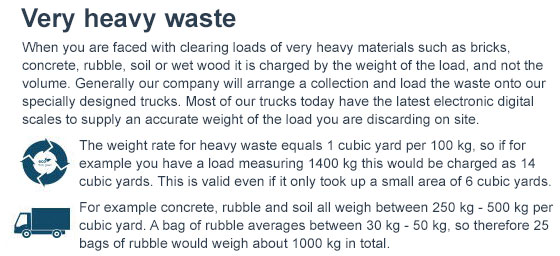
- Be careful with builder's waste. It often contains mixed materials that need specific handling.
One very practical tip: if a job looks bigger than expected once you open the loft hatch or the garage door, pause and reassess. People tend to underestimate volume. You look at it from the doorway and think, "That's manageable." Then, ten minutes later, you've got three piles, a broken chair, some odd cable, and a bag of stuff nobody remembers buying. It happens.
For renovation or site-related waste, a more specialised route is often better. The page on builders waste clearance in Kingston upon Thames is useful if your job includes rubble, timber, plasterboard, or mixed construction debris.
![The image shows the entrance archway of Knights Court, a residential building constructed with red brick, featuring a rounded archway at its center and multiple white-framed windows. The building has a pitched roof with dark tiles and several chimney stacks rising above. In front of the entrance, a tarmac driveway leads into the estate, with a low brick wall and neatly trimmed bushes bordering the sides. The sky above is partly cloudy with large, fluffy white clouds contrasting against a deep blue background, indicating daylight hours. The surrounding environment appears quiet and well-maintained, typical of a private residential area. This scene is relevant to rubbish removal services, such as those provided by [COMPANY_NAME], where on-site clearance or alternative waste handling may be part of managing rubbish securely within private premises, distinct from council-led fly-tipping issues. Such detailed visual context supports understanding of external property waste management needs. Word count: 194 words.](/pub/blogphoto/what-to-know-about-kingston-council-fly-tipping-fines2.jpg)
Common mistakes to avoid
Most fly tipping issues are preventable. The mistakes are usually simple, which is both frustrating and slightly reassuring. Frustrating because they're avoidable. Reassuring because you can avoid them once you know what to look for.
- Leaving rubbish beside bins without permission. "Near the bin area" is not the same as "accepted collection point."
- Using a cheap unverified collector. Saving a little can cost a lot if the waste is dumped elsewhere.
- Failing to keep records. If a complaint comes back to you, memory alone is not much help.
- Assuming someone else will tidy it up. That's how a normal clear-out turns into an enforcement issue.
- Mixing prohibited items into general waste. This can create problems with handling and disposal.
- Ignoring bulky items for too long. Sofas, wardrobes, mattresses, and broken appliances linger. Then they become everyone's problem.
Another one people miss: a friendly verbal arrangement with a helper is not enough if there's no paper trail. A mate with a van, a handyman, or "someone my neighbour knows" may be perfectly well-meaning, but you still need confidence that the waste is being handled properly. A proper route beats a vague favour. Every time.
Tools, resources and recommendations
You do not need a complicated system to stay organised. In fact, simpler usually works better. A few basic tools make a big difference when you're trying to avoid council fines or disputes about waste.
- Phone camera: take before-and-after photos of the waste and the cleared area.
- Notes app or folder: store booking details, receipts, and dates in one place.
- Measuring tape: useful when deciding whether items fit in a skip, van, or collection bay.
- Labels or marker pens: handy for separating keep, donate, recycle, and dispose piles.
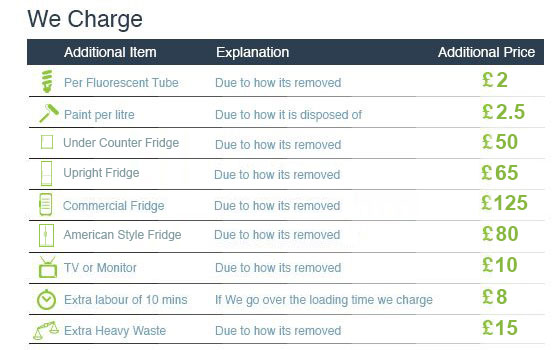
- Local service information: review the relevant pages on pricing and quotes and waste removal in Kingston upon Thames before booking anything.
For larger household clear-outs, it also helps to compare related services. Furniture-heavy jobs are different from mixed junk, and office clearances are different again. If you need a cleaner handover, the pages on furniture disposal and office clearance can help you match the job to the right solution.
Law, compliance, standards, and best practice
This is the part people often skim, then regret later. Waste disposal is not just a tidiness issue; it touches legal responsibility, environmental standards, and record-keeping expectations. While the exact enforcement path can vary, the safe approach is straightforward: only use lawful disposal routes, keep evidence, and avoid handing waste to anyone you would not trust with your front door key.
In general, best practice in the UK includes the following:
- Do not leave waste on public land unless it is placed exactly where an authorised collection is due.
- Use appropriate services for different waste types.
- Keep proof of transfer or collection wherever possible.
- Be cautious with anyone offering unusually cheap removal without paperwork.
- Make sure commercial waste, construction waste, and household waste are not all treated as the same thing.
Compliance is not really about being formal for the sake of it. It's about being able to answer a simple question later: "Where did this waste go?" If you can answer that confidently, you're in a much better position. If you cannot, that's where the stress begins.
It can also help to review company trust pages before booking a service, especially if you are comparing providers for a bigger job. Pages such as insurance and safety, terms and conditions, and payment and security are worth a quick read. Not glamorous. Still wise.
Options, methods, or comparison table
If you are deciding how to handle waste in Kingston, the main choice is usually between doing it yourself, using a skip, or arranging a collection. Each has pros and cons. The right answer depends on access, timing, weight, and how much sorting you want to do.
| Method | Best for | Strengths | Watch-outs |
|---|---|---|---|
| DIY trips to a disposal point | Small volumes and one-off items | Full control and direct handling | Time, vehicle load limits, and multiple trips |
| Skip hire | Ongoing renovations or heavier clear-outs | Good for volume and mixed materials | Permits, space, and loading discipline |
| Professional rubbish collection | Household, bulky, or urgent clearances | Fast, convenient, and less manual effort | Need to choose a reputable provider |
| Specialist clearance service | Lofts, garages, offices, or builder's waste | More tailored and often more efficient | May cost more than a simple one-off pickup |
If your priority is avoiding fly tipping trouble, the best method is the one that leaves a clear paper trail and gets the waste to the correct place without shortcuts. That usually means proper collection or properly managed skip hire, not a quick favour with a van and a shrug.
For anyone weighing skip options, the article on skip hire permits and Kingston council rules for KT2 jobs is a strong follow-up.
Case study or real-world example
Here's a realistic scenario. A Kingston homeowner is clearing a spare room before listing the property for sale. There's a broken wardrobe, old paint tins, a bag of paper clutter, and a couple of small appliances. A neighbour offers to "take it all off your hands" in one trip. Sounds convenient, right?
But the homeowner pauses and asks for details. The neighbour's van is fine, but there is no written confirmation of disposal and no clarity on where the waste would go. So instead, the homeowner books a proper collection, keeps the invoice, photographs the items before removal, and tidies the room the same afternoon. A bit less casual, yes. A lot less risky too.
Now imagine the opposite. Waste is handed over casually, later appears dumped somewhere else, and the council starts asking questions because the items included letters with a visible address. That is the sort of chain reaction people never plan for. It can be messy, slow, and emotionally draining. Truth be told, it's just not worth it.
If you are preparing a sale or rental handover, it can also help to think beyond the rubbish itself and consider the property context. Related reading like understanding Kingston property and Kingston real estate tips for wise investors can help frame clear-outs as part of the bigger property decision, not just a weekend chore.
Practical checklist
Use this before any clearance or disposal job in Kingston. It keeps things simple and reduces the chance of awkward surprises later.
- Have I sorted the waste by type?
- Do I know exactly what needs removing?
- Have I kept photos of the items before collection?
- Do I have a written quote, invoice, or booking confirmation?
- Have I checked whether the waste collector is suitable for the job?
- Is access clear for collection or loading?
- Are any items hazardous, bulky, or specialist?
- Have I avoided leaving waste in a public place while waiting?
- Do I know where the waste is going after pickup?
- Have I kept all records in one place?
If you can tick most of those off, you are already ahead of the game. Not fancy. Just solid.
Get a free quote today and see how much you can save.
Conclusion
What to know about Kingston council fly tipping fines comes down to a simple idea: waste must be handled properly, and if something goes wrong, the paper trail matters as much as the rubbish itself. The safest approach is not complicated. Separate items, use a lawful collection route, keep records, and avoid leaving waste where it does not belong.
That may sound obvious, but in busy real life, obvious things get skipped. A rushed move. A damp Sunday afternoon. A builder in a hurry. A van that "should be fine." These are the moments where good habits save the day. And if you are dealing with a bigger clear-out, the right local support can make the whole thing much calmer.
When you plan ahead, the job feels lighter. Even the awkward bits.


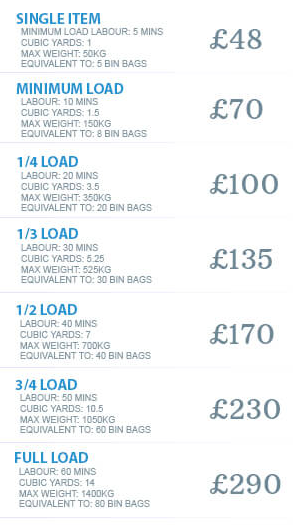
 Tipper Van - Rubbish Removal and Junk Collection Prices in Kingston upon Thames KT1
 Luton Van - Rubbish Removal and Junk Collection Prices in Kingston upon Thames KT1